

Table Of Contents
Flooring is one of the most important elements of your home — it affects comfort, durability, style, maintenance, and even how warm or quiet your rooms feel. With so many materials available, from carpet and laminate to wood, vinyl, LVT, and natural fibres, choosing the right one can feel overwhelming. The best flooring for your home depends on your lifestyle, budget, and the room you’re renovating. Understanding the strengths and limitations of each material will help you make an informed decision.
Key Flooring Types and Their Benefits
1. Carpet
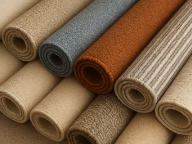
Carpet is ideal for warmth, comfort, and sound insulation. It works well in bedrooms, lounges, and family rooms. Wool carpets offer natural durability and softness, while synthetic carpets provide stain resistance at a lower price point.
Best for: Comfort-focused rooms, homes with children, low-noise spaces.
Avoid in: Bathrooms and any area with moisture.
2. Laminate Flooring
Laminate is a cost-effective alternative to real wood. It’s durable, easy to maintain, and comes in a variety of wood-look designs.
Best for: Living rooms, hallways, and general family spaces.
Avoid in: Very wet areas, as laminate is not waterproof.
3. Vinyl Flooring
Vinyl is versatile, highly durable, and water-resistant. Modern vinyl styles mimic wood, stone, and tile very realistically.
Best for: Kitchens, bathrooms, utility rooms, and high-traffic areas.
Avoid in: Rooms exposed to extreme heat or direct sun (unless rated for it).
4. Luxury Vinyl Tile (LVT)
LVT offers premium durability with a realistic wood or stone appearance. It’s waterproof, comfortable underfoot, and extremely long-lasting.
Best for: Entire home use, especially kitchens, bathrooms, and open-plan spaces.
Avoid in: Directly over damaged or uneven subfloors (needs proper prep).
5. Solid Wood Flooring
Solid wood brings timeless beauty and premium character. It can be sanded and refinished multiple times.
Best for: Living rooms, dining rooms, master bedrooms.
Avoid in: Kitchens, bathrooms, and high-humidity areas.
6. Engineered Wood Flooring
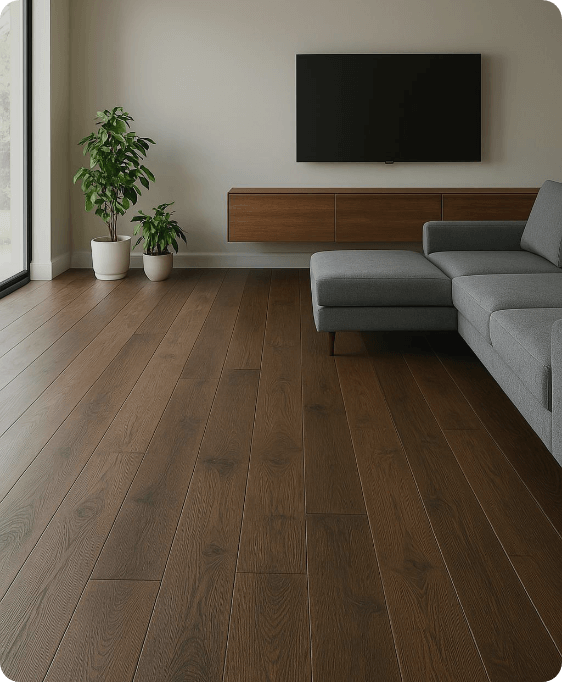
Engineered wood offers the appearance of real wood with improved stability. It’s compatible with underfloor heating and handles temperature changes better than solid wood.
Best for: Most rooms, including kitchens and conservatories.
Avoid in: Very wet areas like bathrooms.
7. Natural Fibre Flooring (Sisal, Seagrass, Jute)
Natural fibre flooring adds texture, warmth, and a premium feel. Each fibre has its own strengths (sisal is hardwearing, seagrass is stain-resistant, jute is soft).
Best for: Living rooms, bedrooms, offices, stairs (depending on the fibre).
Avoid in: Moisture-prone rooms.
How to Choose the Right Material
1. Consider Your Lifestyle
Busy households with pets or children may prefer LVT, vinyl, or durable carpet.
Low-traffic rooms benefit from softer options like jute or wool carpet.
2. Think About Maintenance
Hard floors require sweeping and occasional mopping; carpets need regular vacuuming. Choose whatever routine suits your lifestyle.
3. Set a Realistic Budget
Carpet remnants, vinyl, and laminate are great value. Engineered wood and LVT offer premium results at higher cost.
4. Match the Style of Your Home
Warm and traditional? Consider carpet or wood.
Modern and minimal? Laminate, LVT, or natural fibres work well.
Which Flooring Material Is Best for You?
There is no one-size-fits-all answer. The right flooring depends on your needs, the room’s purpose, and your preferred look and feel. By understanding each material’s strengths, you can choose flooring that enhances your home, fits your lifestyle, and performs for years to come.