

Table Of Contents
Stair runners are one of the most effective ways to upgrade your staircase — both in terms of safety and style. They add grip, reduce noise, protect the stairs, and create a polished look that enhances the entire hallway. Whether you're choosing your first runner or planning to replace an old one, it’s important to understand the materials, fitting options, safety considerations, and design choices available. This complete guide walks you through everything you need to know.
1. What Is a Stair Runner?
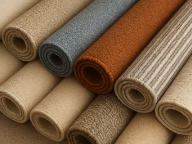
A stair runner is a long, narrow carpet fitted down the centre of a staircase. Unlike a full-coverage carpet, a runner leaves the outer edges of each step visible, creating a balance between soft comfort and exposed wood. Runners come in a wide range of materials, patterns, textures, and colours, making them suitable for traditional homes, modern spaces, and everything in between.
2. Benefits of Stair Runners
Improved Safety
Bare wooden or laminate stairs can be slippery. A runner provides grip, making each step safer and more secure. This is especially beneficial for families with children, elderly relatives, or pets.
Noise Reduction
Stairs can be noisy — especially in busy homes. A runner absorbs noise, reducing echo and creating a calmer environment.
Enhanced Style
A well-chosen runner turns the staircase into a focal point. Patterns, stripes, and textured weaves lift the look of a hallway instantly.
Protects the Stairs
Daily traffic can scratch or wear down the centre of each step. A runner shields the wood beneath, helping it last longer.
3. Choosing the Right Material
Wool
Wool is the premium choice for stair runners — strong, resilient, and naturally stain-resistant. It bounces back after compression and hides wear well.
Best for: Busy family homes
Pros: Durable, soft, long-lasting
Cons: Higher initial cost
Flatweave (Wool or Synthetic)
Flatweave runners have no raised pile. Their tight, low-profile construction makes them perfect for stairs, providing a crisp fit that wraps neatly around each step.
Best for: High-traffic staircases
Pros: Hardwearing, easy to vacuum, clean edges
Cons: Slightly firmer underfoot
Sisal, Jute, and Seagrass
These natural fibres offer beautiful texture and a premium look, but they require careful maintenance.
Best for: Dry, low-moisture homes
Pros: Natural, stylish, eco-friendly
Cons: Sensitive to spills and humidity
Polypropylene & Nylon
Synthetic materials are practical, budget-friendly, and highly stain-resistant — excellent for homes with children or pets.
Best for: Busy, practical households
Pros: Affordable, easy to clean
Cons: Not as premium in appearance as wool
4. Patterns and Styles
Stripes
Stripes are hugely popular. They elongate the staircase and create a dramatic visual effect. Great for narrow or darker hallways.
Geometric Patterns
Bold, modern shapes add character and mask everyday wear or marks.
Textured Weaves (Herringbone, Basketweave)
Classic and timeless. Perfect if you want a subtle, elegant look that works with both modern and traditional interiors.
Plain or Solid Colours
Clean and minimal. Works best in bright homes — but choose mid-tones to avoid footprints or dirt showing easily.
Natural Tones
Ideal for coastal, Scandi, or neutral interiors. Earthy hues add calm and warmth.
5. Choosing the Right Width
Runner width affects how your stairs look and feel.
Typical runner widths range from 60cm to 75cm, depending on the staircase.
The goal is to leave an equal border of wood visible on each side — usually between 7–12 cm.
Wider staircases can handle wider runners, while narrow stairs look best with slimmer widths.
6. How Stair Runners Are Fitted
Professional fitting is essential. A poorly fitted runner can shift, wrinkle, or become a trip hazard.
Step-by-Step Fitting Process
1. Measuring and Planning
The fitter measures each tread and riser, marking the centre point to ensure perfect alignment.
2. Preparing the Stairs
Loose boards are secured and surfaces cleaned to ensure the runner sits flat.
3. Installing Underlay
A dense, narrow underlay strip is attached to each tread and riser. This adds cushioning, reduces noise, and increases the runner's lifespan.
4. Adding Grippers
Gripper rods are installed at the back of each tread and at the base of each riser. These hold the runner in place.
5. Fitting the Runner
The runner is stretched, tucked, and secured using specialist tools. Alignment is checked continuously — especially for patterned or striped runners.
6. Optional: Stair Rods
Stair rods can be added as a decorative finishing touch. They come in finishes like chrome, brass, black, and antique metals.
7. Safety Considerations
A stair runner increases safety when installed correctly, but there are several things to keep in mind:
Grip
Choose materials with good grip. Avoid shiny viscose or slippery fibres for stair use.
Professional Fitting
Loose edges or poorly placed grippers can create hazards. Always use a qualified installer.
Regular Maintenance
Vacuum regularly and monitor for fraying or loose sections.
Avoid Excess Moisture
Especially on natural fibres — spills should be cleaned immediately.
Lighting and Visibility
Patterns that highlight step edges can improve visibility and reduce missteps.
8. Maintenance and Care
Vacuuming
Vacuum at least once a week using a suction-only setting (especially on flatweave or natural fibre runners).
Spot Cleaning
Blot spills immediately. Use only suitable cleaning products for the fibre.
Professional Cleaning
Wool runners benefit from occasional professional cleaning to maintain their look and structure.
Check for Loose Edges
If edges begin to lift or wear, arrange repairs promptly to prevent hazards.
9. Design Tips to Get the Best Look
Match with Hallway Décor
Choose a runner that complements your flooring, bannisters, and wall colour.
Use Colour to Shape the Space
Light colours: Make a hallway feel larger
Dark colours: Add depth and luxury
Stripes: Draw the eye upward
Textures: Add subtle interest without overwhelming
Pair with Stair Rods for a Premium Finish
Stair rods add elegance and visual impact — perfect if you want a standout staircase.
Choose Patterns That Hide Wear
Busy households benefit from mid-tones and patterns that disguise everyday marks.
10. Should You Install a Stair Runner?
A stair runner offers a balance of comfort, style, and safety that bare stairs simply can’t match. If your hallway feels cold, echoey, or plain, a runner will instantly warm it up and add personality. For families, it brings peace of mind by reducing slips and softening every step. If you’re renovating your hall or simply want a stylish upgrade, a stair runner is one of the most effective, affordable changes you can make.