

Table Of Contents
Different types of flooring need different cleaning routines. What works well for laminate won’t suit solid wood, and the products used on carpets could damage vinyl or natural fibre flooring. Using the correct method not only keeps your floors looking their best but also protects them from long-term wear, stains, and moisture damage. Below is a clear guide on how to clean the most common flooring types.
How to Clean Carpets
1. Vacuum Regularly
Vacuum at least once or twice a week to remove dirt before it settles deep into the fibres.
2. Treat Spills Quickly
Blot (never rub) with a clean cloth. Use mild detergent mixed with warm water for general spills.
3. Deep Clean Occasionally
Use a carpet cleaner or hire a professional every 6–12 months for a thorough clean.
Avoid: Excess water, harsh chemicals, and scrubbing, which can damage fibres.
How to Clean Laminate Flooring
1. Sweep or Vacuum First
Remove dust and grit that could scratch the surface.
2. Use a Damp (Not Wet) Mop
Laminate isn’t waterproof. Use a lightly damp microfibre mop with laminate-safe cleaner.
3. Wipe Up Spills Immediately
Moisture can seep between boards and cause swelling.
Avoid: Steam mops and soaking the floor — both can cause permanent damage.
How to Clean Vinyl Flooring
1. Sweep or Vacuum Daily
Keeps dirt from dulling the surface.
2. Mop with Warm Water and Mild Cleaner
Vinyl is low maintenance — most gentle household cleaners work well.
3. Rinse and Dry for Best Results
Prevents streaks and keeps the surface shiny.
Avoid: Abrasive scrubbers or strong solvents.
How to Clean LVT (Luxury Vinyl Tile)
1. Regular Sweeping
Helps maintain the protective wear layer.
2. Use pH-Neutral Cleaners
LVT is very durable, but harsh chemicals can affect the finish over time.
3. Damp Mop as Needed
Safe for LVT but avoid standing water.
Avoid: Bleach, abrasive pads, and wax-based products.
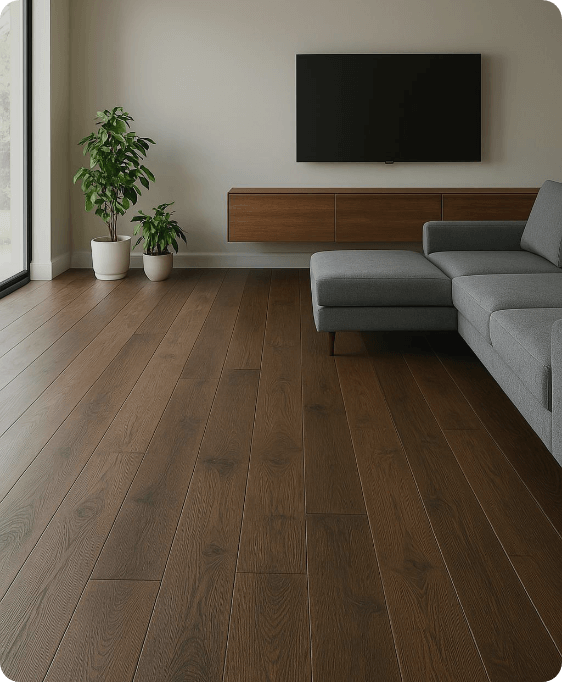
How to Clean Solid or Engineered Wood Flooring
1. Sweep or Vacuum with a Soft Brush
Prevents scratches from grit.
2. Use a Wood-Safe Cleaner
Lightly mist a wood floor cleaner and wipe with a microfibre mop.
3. Keep Moisture to a Minimum
Water can cause swelling, warping, or finish damage.
Avoid: Steam mops, excessive water, or oil soaps that can leave residue.
How to Clean Natural Fibre Flooring (Sisal, Jute, Seagrass)
1. Vacuum Frequently
These fibres trap dirt easily, so regular vacuuming is essential.
2. Clean Spills Immediately
Blot only — moisture can stain or warp natural fibres.
3. Use Dry Cleaning Powders for Stains
Specialist dry compounds lift dirt without water.
Avoid: Wet cleaning or steam cleaning.
Which Cleaning Routine Is Right for You?
The best cleaning method depends entirely on your flooring. By following the right routine for your material, you’ll keep your floors looking fresh, extend their lifespan, and avoid unnecessary damage. If you’re ever unsure, ask your installer or flooring supplier for product-specific advice.